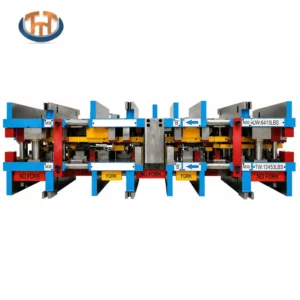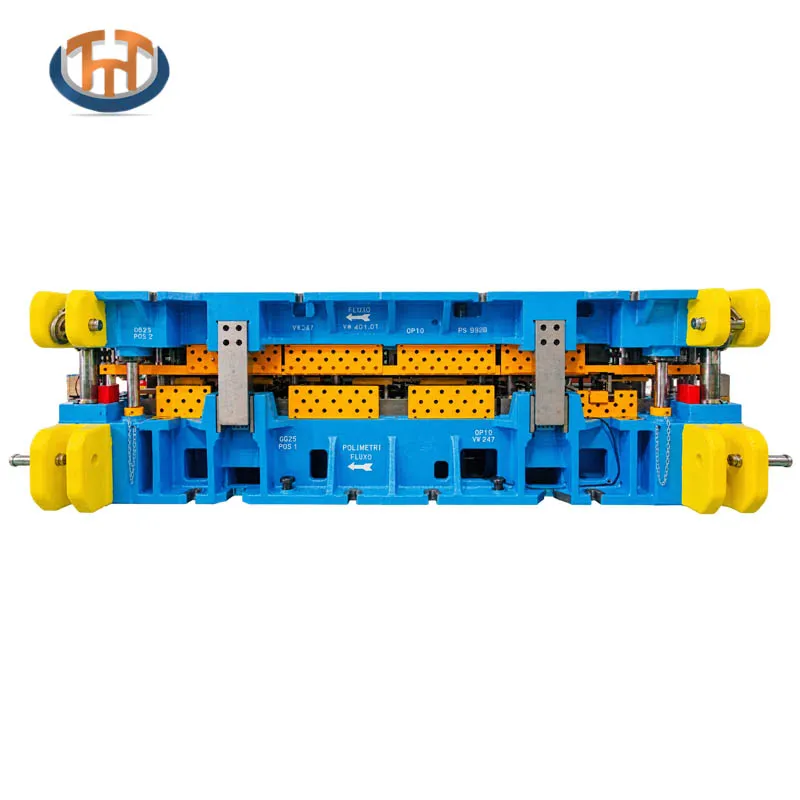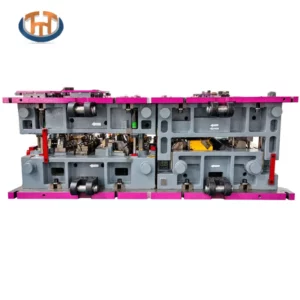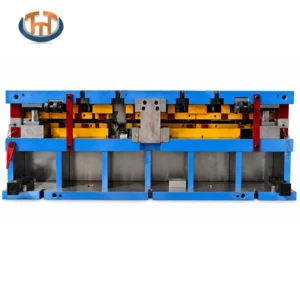

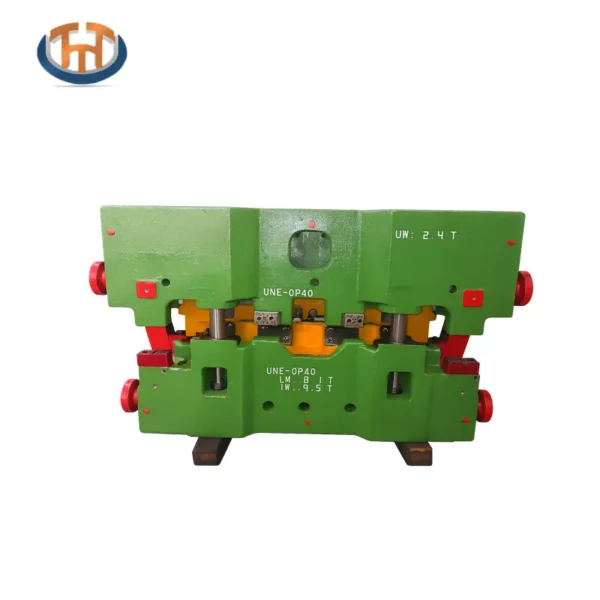
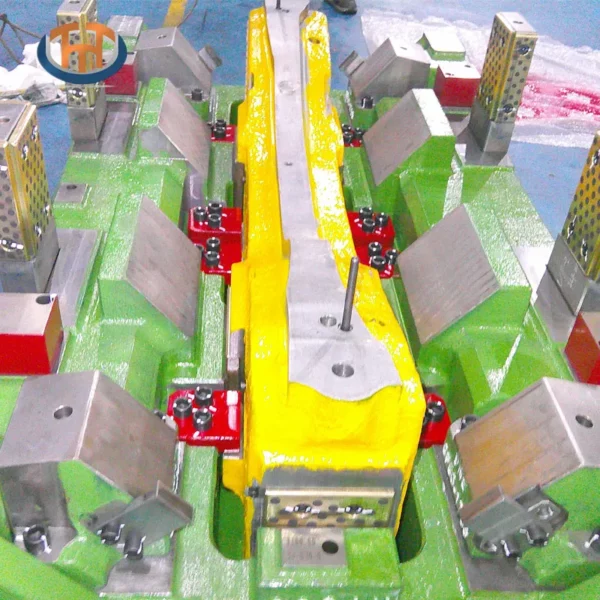
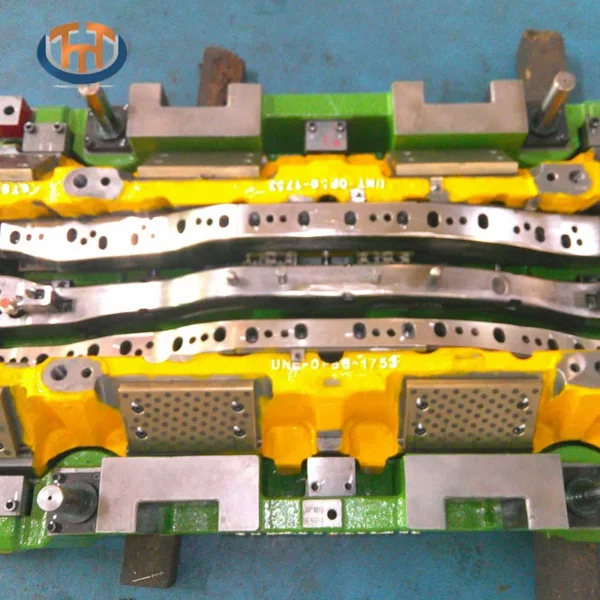

This High Strength Steel Stamping Die is developed for precision forming of automotive sheet metal components manufactured from high-strength steel. The tooling is designed for a multi-operation stamping process and is used in the OP40 stage for C-RST and CFL operations.
High Strength Steel Stamping Die was developed for an automotive component manufactured from S420MC steel with a material thickness of 1.8 mm. The finished component has a net weight of approximately 2.216 kg. The production process combines an 800-ton progressive stamping operation with a 1600-ton transfer stamping process.
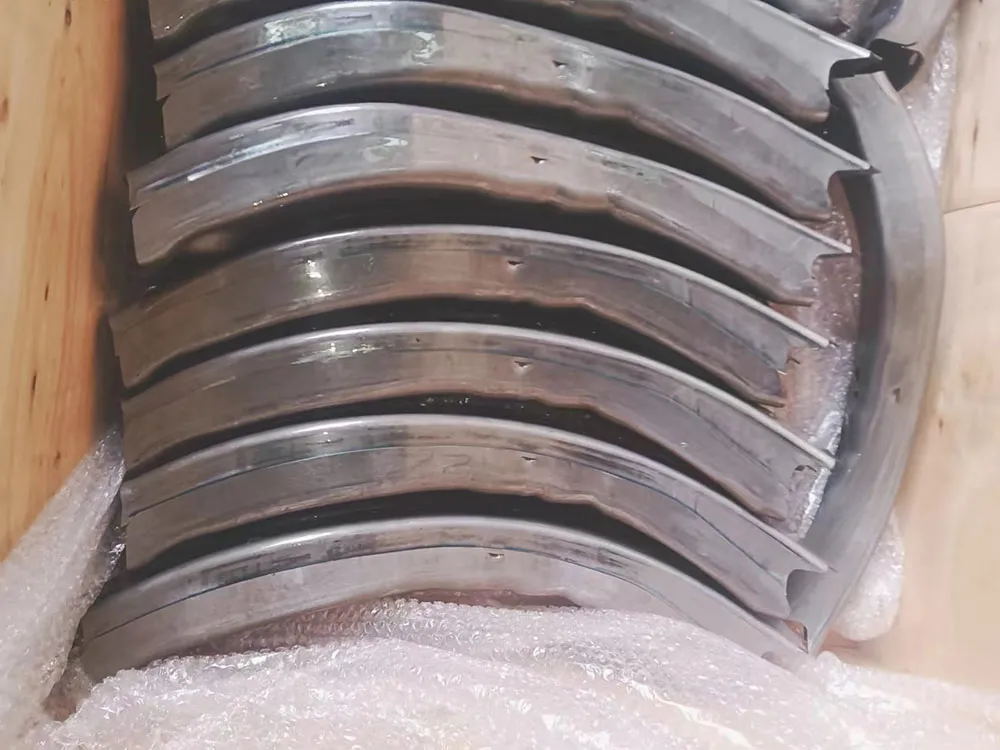
High Strength Steel Forming for Automotive Parts
High-strength steel requires careful control during stamping because forming conditions can have a significant influence on material flow, local deformation, dimensional accuracy, and surface quality.
For this project, the selected material is S420MC, with a thickness of 1.8 mm. During tooling development, potential forming risks were evaluated in advance. The project documentation identifies a specific area with a theoretical thinning risk of approximately 12.8%, making this area an important point during die tryout and process validation.
This type of risk evaluation is an important part of developing a reliable High Strength Steel Forming Die. Potential forming problems can be identified during the engineering stage and then addressed through die design, process optimization, and tryout.
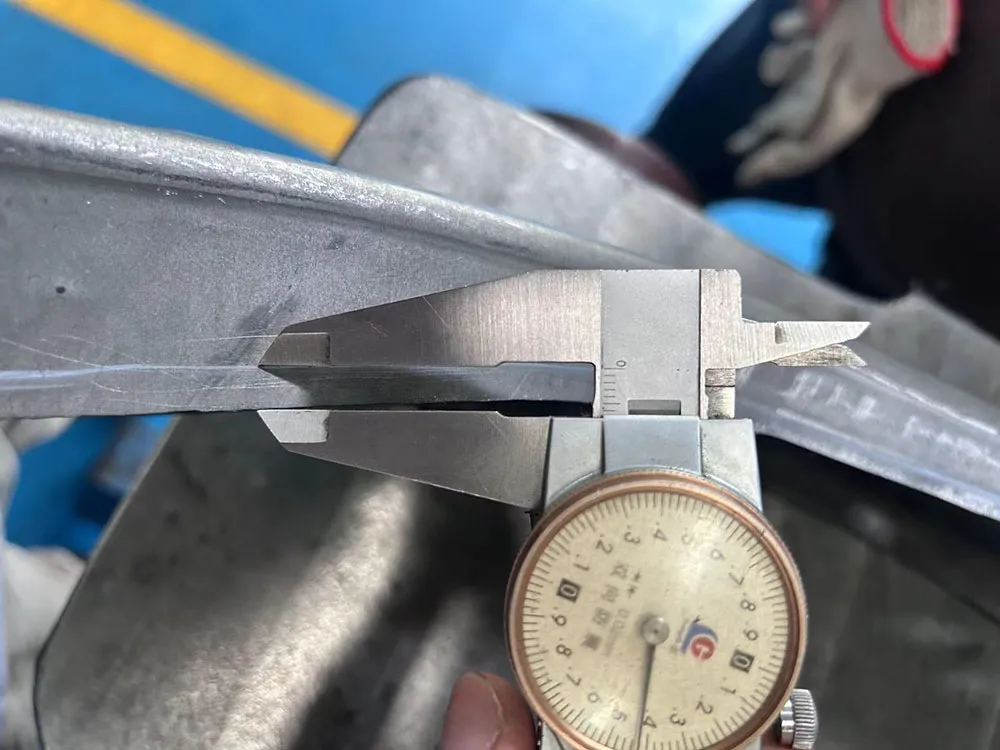
Multi-Operation Automotive Stamping Process
The tooling is part of a multi-stage automotive sheet metal stamping process. The documented process sequence includes:
- OP10 – DR
- OP20 – ID
- OP30 – CTR + PI
- OP40 – C-RST + CFL
- OP50 – TR + CTR + CPI + Piercing
The featured tooling is used at OP40, where the C-RST and CFL operations are performed.
Using dedicated operations for different forming and trimming requirements helps control the forming process and maintain the required geometry throughout production.
For automotive manufacturers, a properly engineered Automotive Stamping Die needs to consider not only the final component geometry, but also material characteristics, forming sequence, press capacity, material flow, trimming requirements, and downstream assembly conditions.
1600-Ton Press Application
High Strength Steel Stamping Die production line includes an 800T progressive stamping process and a 1600-ton transfer process, while the die identification information indicates application on a TRF 1600T press.
The tooling therefore forms part of a high-capacity production system for automotive components. Proper matching between the stamping die, press capacity, production sequence, and material specifications is essential for stable mass production.
For high-strength steel components, sufficient forming force and controlled material movement are particularly important. The die structure must also provide reliable positioning and repeatable operation throughout the production cycle.
Precision Stamping Die Design
A Precision Stamping Die for automotive applications must balance dimensional accuracy with practical production requirements.
During this project, the engineering team identified potential dimensional and assembly-related risks before final production. One area required particular attention because its edge condition could show differences after welding with the mating component. An independent trimming blade was designed, and the edge could be adjusted according to feedback from the welded assembly. After die tryout, the tooling was confirmed to meet the required quality requirements.
This demonstrates the importance of considering the complete manufacturing process when developing Automotive Die Tooling.
Stamping quality cannot always be evaluated only from the stamped component itself. Subsequent welding and assembly processes may also influence the final dimensional requirements.
Forming Risk and Quality Control
One of the key considerations in high-strength steel stamping is controlling areas that may experience excessive deformation or thinning.
For this project, a potential thinning area was identified during the engineering stage, with a theoretical thinning value of approximately 12.8%. This area was specifically monitored during tooling tryout.
Early identification of forming risks can help reduce the possibility of cracking, deformation, or dimensional problems during production.
A properly designed High Strength Steel Stamping Die should therefore incorporate appropriate forming conditions and provide sufficient opportunities for adjustment during die tryout.
Stamping Die Maintenance
Tool maintenance is also important for maintaining consistent production quality.
The project documentation highlights the risk of burr formation caused by cutting-edge wear. If the cutting edge becomes worn, burrs may cause scrap to become trapped inside the die during stamping. Regular inspection of the cutting edges is therefore required during production.
Scrap evacuation is another important consideration. Certain scrap chutes have relatively limited angles, so secondary scrap discharge needs to be monitored to prevent blockage.
For OP50, the project also identifies potential scrap blockage and pressure-plate material retention. If an ejector pin becomes damaged or fails to function correctly, the component may become trapped in the pressure plate.
These considerations are particularly relevant for high-volume automotive production, where tooling stability directly affects production efficiency.
Production Efficiency and Tooling Optimization
The High Strength Steel Stamping Die also included specific considerations for improving production speed and stability.
For OP10 and OP20, the tooling does not use floating blocks and instead relies on small-die spring ejector pins to lift the material. During early production, potential material sticking or feeding problems should be monitored. If such problems occur, the ejector-pin specification and stroke can be adjusted accordingly.
The documented coil width and pitch are 1108 × 205 mm, with a material utilization rate of 69.05%. These parameters form part of the overall production and material-efficiency considerations for the project.
Application of the Stamping Die
High Strength Steel Stamping Die is suitable for automotive manufacturing applications involving:
- High-strength steel components
- Automotive structural sheet metal parts
- Multi-operation stamping
- Transfer press production
- Precision forming and trimming
- High-volume automotive production
- Components requiring subsequent welding and assembly
The combination of high-strength S420MC material, multi-stage forming, and high-tonnage press production makes this tooling a representative example of high-strength steel automotive stamping.
Custom Stamping Die Manufacturing
Developing a reliable Custom Stamping Die requires close coordination between product engineering, stamping-process planning, die design, machining, assembly, tryout, and production validation.
For high-strength automotive components, the tooling process should consider potential thinning, edge conditions, scrap evacuation, ejector performance, material positioning, and downstream assembly requirements from the beginning.
This project demonstrates an engineering approach that combines process planning and tooling optimization with practical production considerations. From identifying potential forming risks to monitoring die wear and scrap discharge, each stage contributes to stable automotive stamping production.
If you are looking for a supplier for High Strength Steel Stamping Dies, Automotive Stamping Dies, Precision Stamping Dies, or Custom Stamping Dies, tooling can be developed according to your component geometry, material specification, press capacity, production process, and quality requirements.