

Types of Automotive Stamping Dies,In the automotive manufacturing industry, stamping technology plays an essential role in producing high-quality metal components with excellent accuracy and efficiency. From vehicle body panels to small structural brackets, many automotive parts are manufactured through advanced stamping processes.
Understanding the Types of Automotive Stamping Dies is important for engineers, purchasing teams, and manufacturers who need to select the right tooling solution for different production requirements. Different die structures provide different advantages in terms of production volume, component complexity, automation level, and manufacturing cost.
As automotive designs continue to develop, manufacturers require more precise, durable, and efficient tooling solutions. Professional die makers provide customized solutions to support various stamping applications, from small precision components to large automotive body structures.
What Are Automotive Stamping Dies?
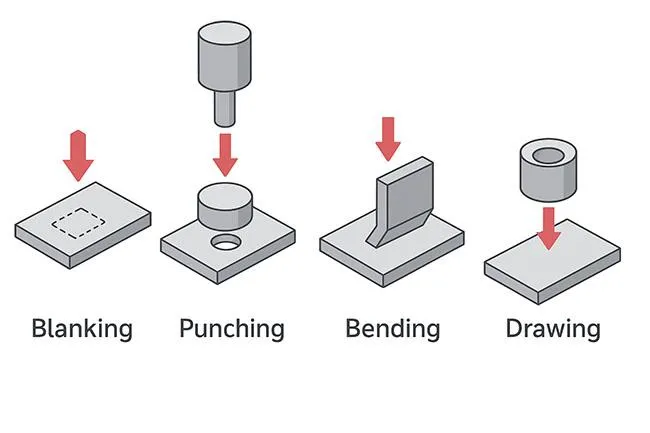
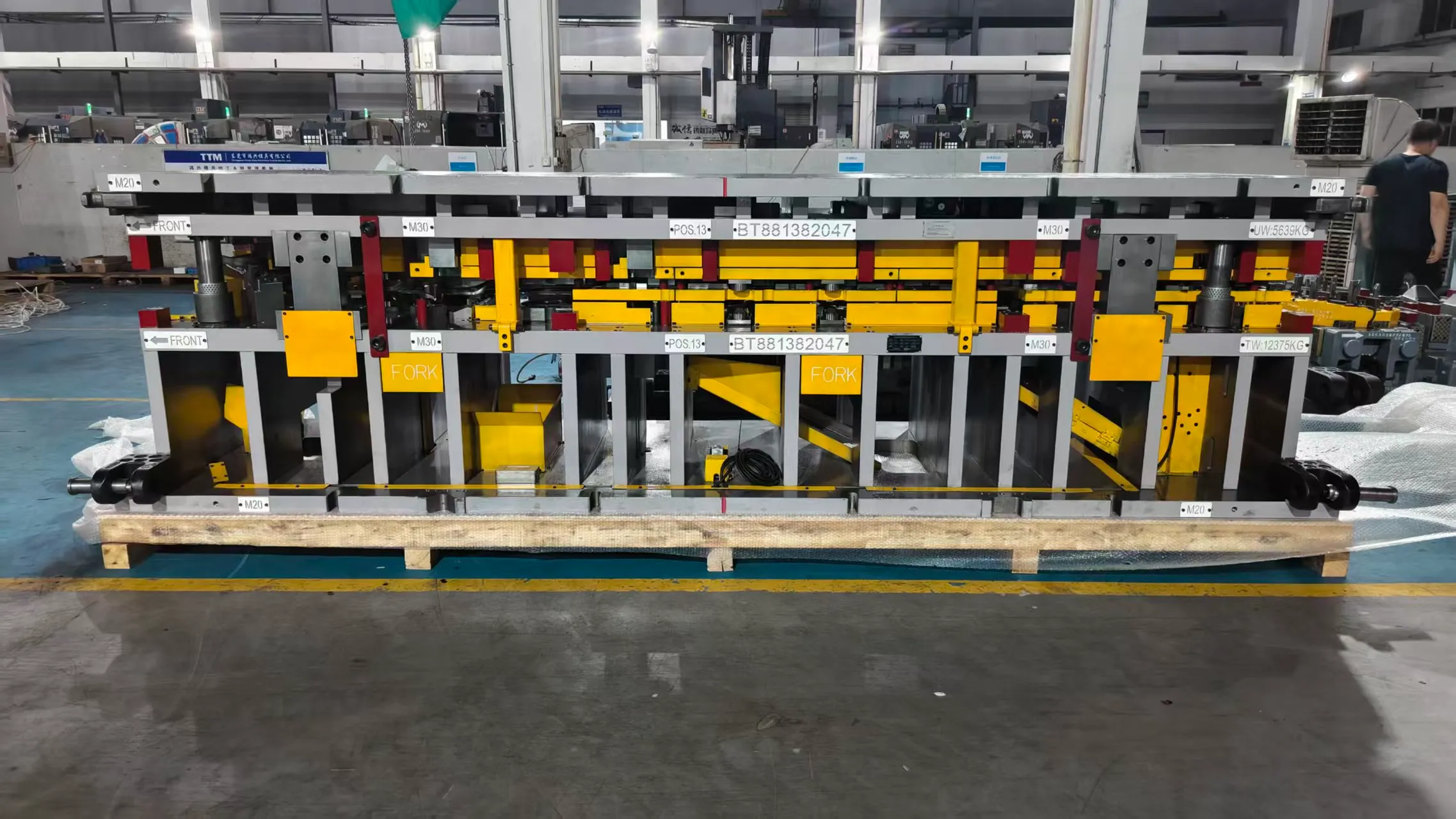
Automotive stamping dies are specialized tools used with stamping presses to transform flat metal sheets into specific shapes and components. Through processes such as forming, drawing, trimming, piercing, and flanging, stamping dies help manufacturers produce consistent and high-precision automotive parts.
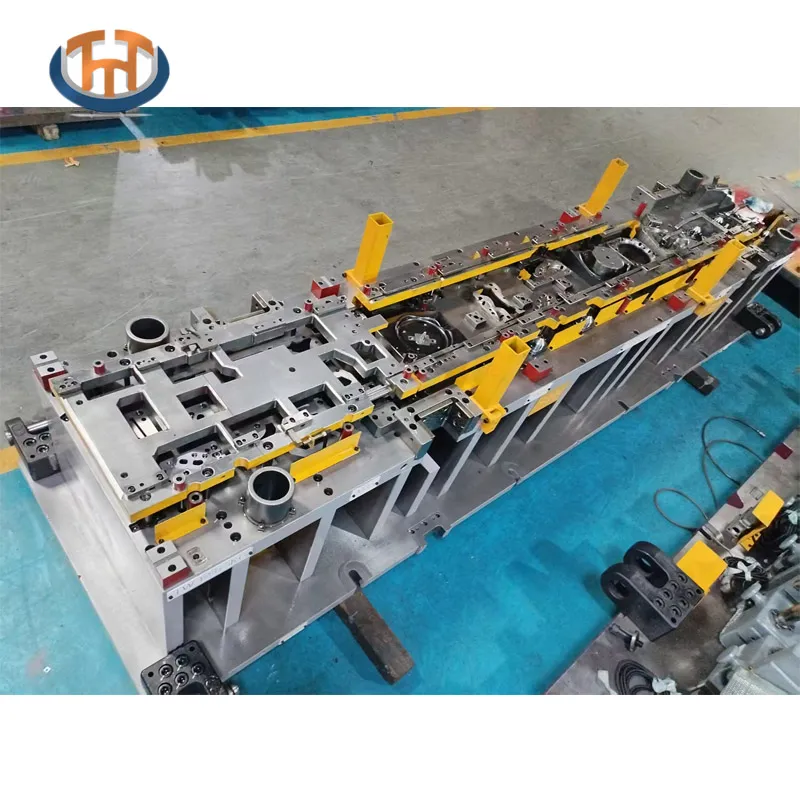
The selection of suitable tooling depends on several factors, including:
- Part size and geometry
- Material type and thickness
- Production quantity
- Required dimensional accuracy
- Automation requirements
Different applications require different tooling designs, which is why understanding the Types of Automotive Stamping Dies helps manufacturers improve production efficiency and product quality.
1. Single Hit Dies for Flexible Production
Single Hit Dies, also called single operation dies, are designed to complete one stamping process during each press cycle. Each die usually performs a specific operation, such as blanking, piercing, trimming, or forming.
This type of tooling is widely used for automotive components that require flexible manufacturing and customized production.
Advantages of Single Hit Dies:
- Simple structure and easy maintenance
- Shorter development time
- Lower tooling investment
- Suitable for large and complex components
Typical applications include automotive brackets, reinforcement parts, support structures, and sheet metal components.
For manufacturers producing different part designs or smaller production volumes, Single Hit Dies provide an efficient and practical solution.
2. Progressive Dies for High-Speed Manufacturing
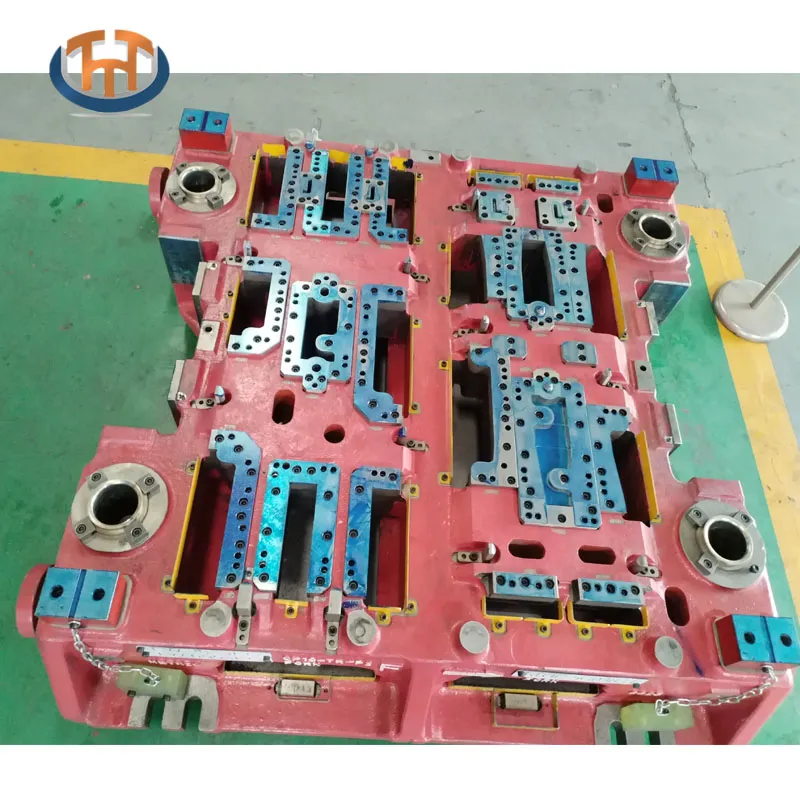
Among the common Types of Automotive Stamping Dies, Progressive Dies are widely used for high-volume production. A progressive die integrates multiple stamping operations into one tooling system.
During the production process, the metal strip moves continuously through different stations. Each station performs a specific operation until the finished component is completed.
A typical progressive stamping process may include:
- Material feeding
- Piercing
- Bending
- Forming
- Cutting
Benefits of Progressive Dies:
- High production efficiency
- Excellent repeatability
- Reduced labor requirements
- Suitable for automated production lines
- Improved material utilization
Progressive Dies are commonly used for smaller automotive parts, electrical components, brackets, clips, and precision metal products where large quantities are required.
3. Tandem Dies for Large Automotive Components
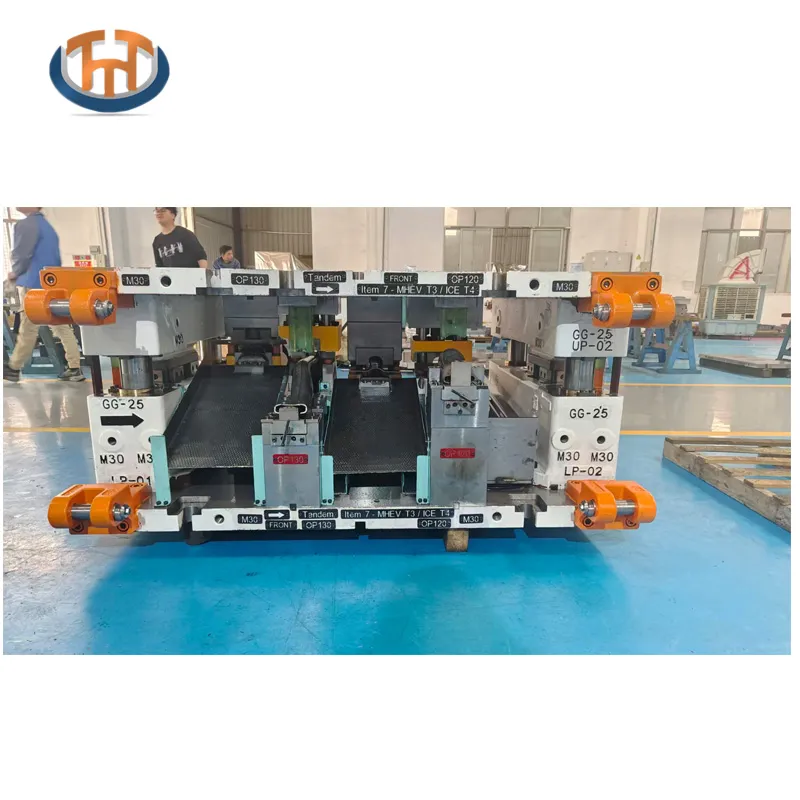
Tandem Dies are mainly used for large automotive sheet metal components. Unlike progressive tooling, tandem systems use multiple independent dies arranged in sequence.
Each stamping operation is completed by a separate die station. The workpiece moves from one process to another until the final shape is achieved.
Typical operations include:
- Deep drawing
- Trimming
- Piercing
- Flanging
- Forming
Tandem Dies are widely applied in automotive body manufacturing because they provide excellent flexibility for complex components.
Common applications include:
- Door panels
- Side panels
- Floor components
- Structural reinforcement parts
For large automotive parts requiring multiple forming operations, tandem tooling provides stable production performance.
4. Transfer Dies for Automated Production Lines
Transfer Dies represent an advanced stamping solution designed for highly automated manufacturing environments.
In a transfer stamping system, robotic mechanisms move components between different stamping stations automatically. This reduces manual handling and improves production consistency.
The production process usually includes:
Material loading → Drawing → Forming → Trimming → Piercing → Unloading
Main Advantages:
- High automation level
- Improved production speed
- Reduced operator involvement
- Suitable for large and complex parts
- Stable manufacturing quality
Transfer Dies are commonly used in modern automotive factories for body structures, chassis components, and large metal assemblies.
5. Deep Drawing Dies for Complex Shapes
Deep Drawing Dies are designed to manufacture components with significant depth and complex geometries. During the forming process, flat metal sheets are transformed into three-dimensional shapes through controlled material flow.
Deep drawing requires accurate die design because improper material movement may cause defects such as cracking, wrinkles, or deformation.
Applications include:
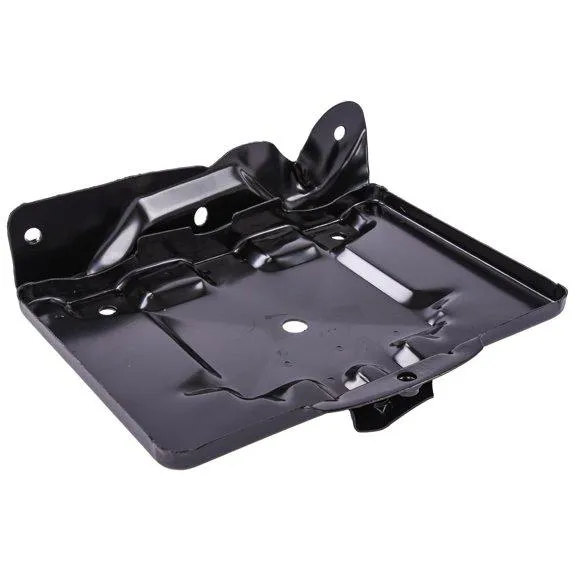
- Battery trays
- Automotive housings
- Structural components
- Deep-formed sheet metal parts
Types of Automotive Stamping Dies,the development of electric vehicles, deep drawing technology has become increasingly important for producing lightweight and strong automotive components.
6. Trimming and Flanging Dies for Final Accuracy
After the forming process, many automotive components require additional operations to achieve final dimensions and assembly requirements.
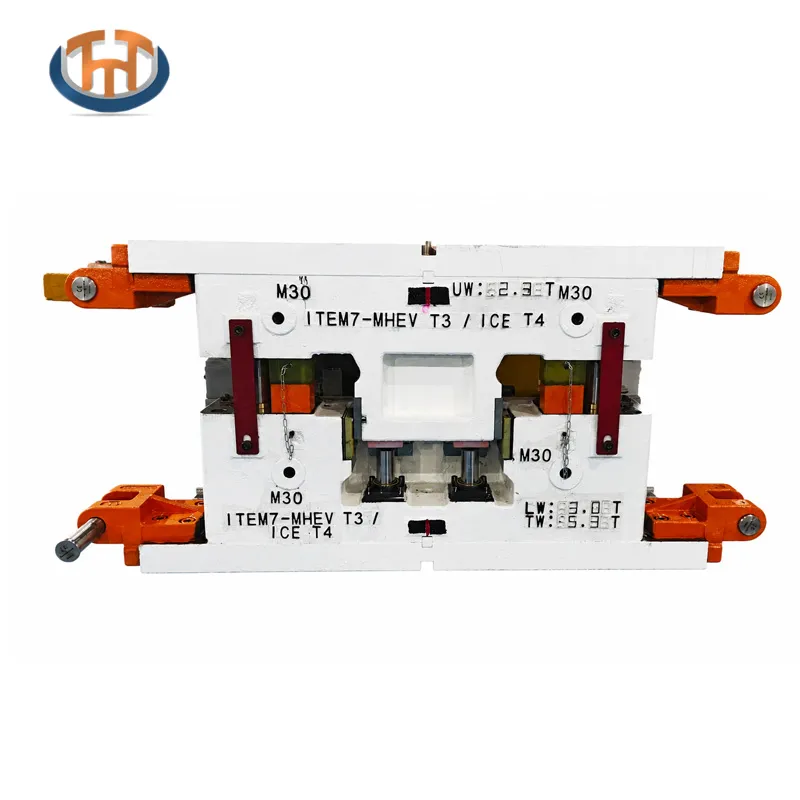
Trimming Dies
Trimming Dies remove excess material from formed components to create accurate edges and profiles.
Flanging Dies
Flanging Dies bend the edges of parts to create connection surfaces for welding and assembly.
These processes are essential for automotive body manufacturing because they improve dimensional accuracy and ensure proper fitting during vehicle assembly.
How to Choose the Right Automotive Stamping Die?
Types of Automotive Stamping Dies,Selecting the correct tooling solution requires consideration of production goals and component requirements.
For high-volume production, Progressive Dies and Transfer Dies are often preferred because they provide excellent efficiency and automation.
For large automotive panels, Tandem Dies are commonly selected due to their flexibility and ability to handle complex forming processes.
For customized or lower-volume projects, Single Hit Dies may provide a more economical solution.
A professional tooling manufacturer can analyze part requirements and recommend the most suitable stamping solution.
HONGXING Professional Automotive Tooling Solutions
HONGXING, a member of TTM Group, specializes in the design and manufacturing of automotive stamping dies, providing advanced tooling solutions for global automotive manufacturers and Tier 1 suppliers.
Our capabilities cover various Types of Automotive Stamping Dies, including:
- Progressive Dies
- Tandem Dies
- Transfer Dies
- Single Hit Dies
- Deep Drawing Dies
- Precision Forming Dies
With experienced engineering teams, advanced manufacturing equipment, and strict quality control processes, HONGXING delivers reliable tooling solutions for complex automotive stamping applications.
Whether you need tooling for automotive structural parts, sheet metal components, or precision stamped products, HONGXING provides professional support from die design to final production.