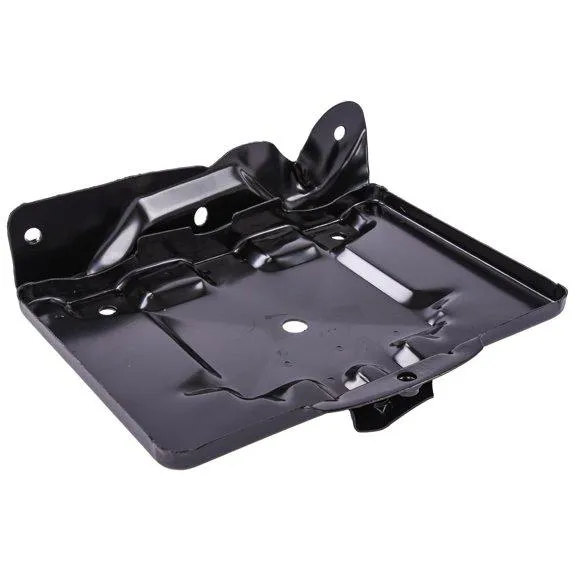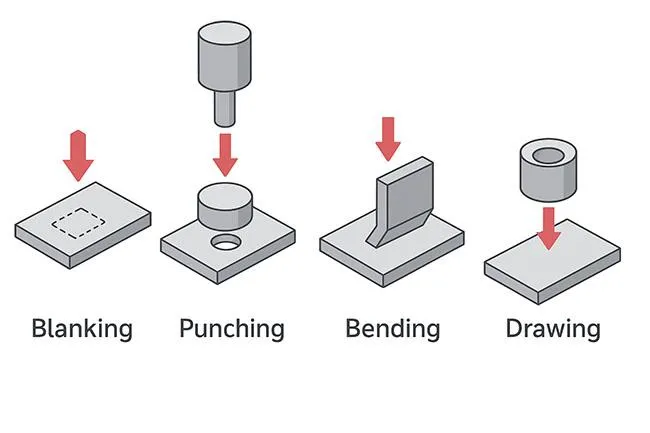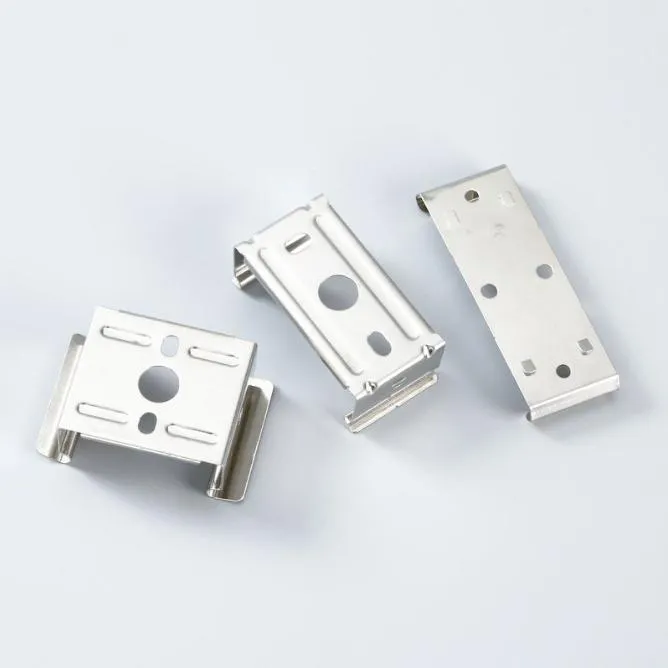


Automotive Die Design,Material thickness is one of the most important factors that engineers must consider during Automotive Die Design. In automotive stamping, sheet metal thickness directly affects forming force, die clearance, material flow, springback, tool strength, part accuracy, and overall production stability. A small change in material thickness can sometimes require significant modifications to an automotive stamping die.
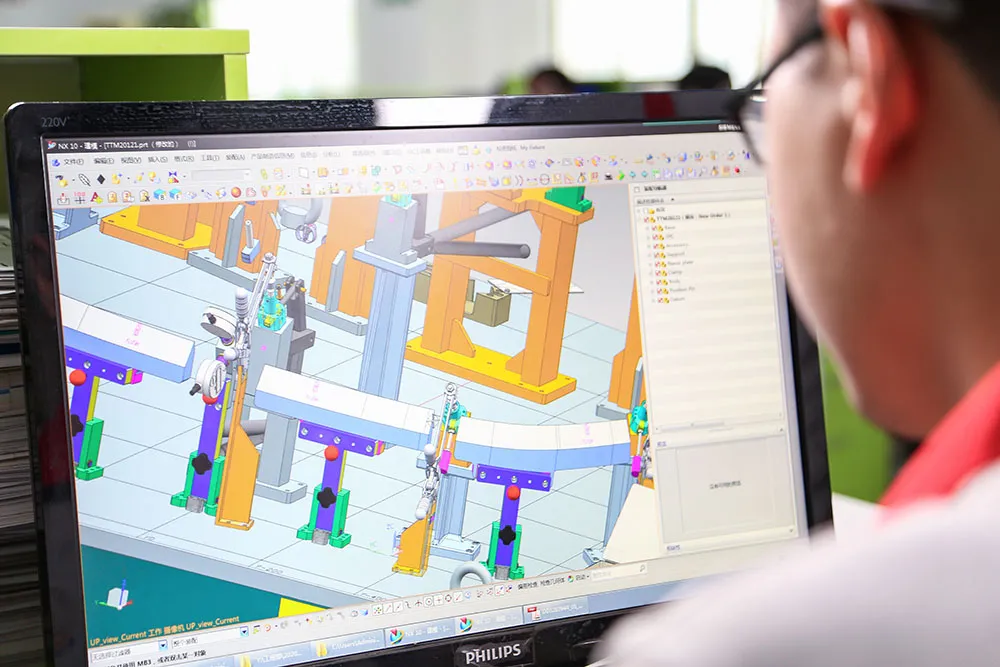
Automotive components are manufactured from many different materials, including mild steel, high-strength steel, advanced high-strength steel, stainless steel, and aluminum alloys. Each material has different mechanical properties and forming characteristics. Therefore, successful Automotive Die Design requires engineers to consider both material thickness and material grade from the beginning of the tooling development process.
For automotive manufacturers and Tier 1 suppliers, proper Automotive Die Design can reduce tooling modifications, improve stamping quality, extend die life, and support stable mass production.
Why Material Thickness Matters in Automotive Die Design
Material thickness affects almost every stage of the stamping process. It influences how the sheet behaves when it is cut, bent, drawn, flanged, or formed.
During Automotive Die Design, engineers need to evaluate the actual material specification before determining the final die structure. Important information includes material grade, nominal thickness, thickness tolerance, tensile strength, yield strength, elongation, and forming characteristics.
For example, a 1.0 mm steel sheet and a 2.0 mm steel sheet may have completely different forming requirements even when they are used to manufacture components with similar geometries. The thicker material generally requires higher forming and cutting forces, while thinner material may be more sensitive to wrinkling, buckling, and deformation.
Therefore, material thickness should never be treated as an independent specification. It needs to be evaluated together with part geometry and material properties during Automotive Die Design.
1. Material Thickness and Die Clearance
Die clearance is one of the most important parameters in an automotive stamping die.
During blanking and piercing, the clearance between the punch and die must be suitable for the material thickness and mechanical properties. If the clearance is too small, cutting force can increase significantly and accelerate tool wear. If the clearance is too large, the stamped part may have excessive burrs, poor edge quality, or dimensional variation.
In Automotive Die Design, engineers therefore need to determine appropriate punch and die clearances based on the material specification.
Different automotive materials require different approaches. Mild steel, high-strength steel, stainless steel, and aluminum may require different cutting clearances even when they have the same nominal thickness.
Correct clearance can improve edge quality, reduce cutting force, and increase the service life of the automotive stamping die.
2. Thickness and Stamping Force
Material thickness has a direct influence on stamping force.
As sheet thickness increases, more force is generally required for blanking, piercing, bending, and forming. The press must therefore have sufficient capacity to handle the required operations.
During Automotive Die Design, engineers need to estimate the required stamping force before selecting the production press. Press capacity, stroke, shut height, bed size, operating speed, and energy requirements should all be considered.
Selecting a press that is too small can create excessive mechanical loading and unstable production. On the other hand, selecting an unnecessarily large press can increase production costs.
Accurate force estimation helps engineers develop a balanced stamping process and ensures that the automotive stamping die can operate safely under production conditions.
3. Material Thickness and Die Strength
Thicker sheet metal generally produces greater loads on the tooling. As a result, die strength becomes an important consideration.
In Automotive Die Design, engineers must make sure that the die base, punches, inserts, backing plates, guide components, and supporting structures have sufficient rigidity.
For high-strength automotive materials, the tooling requirements can become even more demanding. High forming forces can increase stress on critical components and accelerate wear.
Appropriate tool steel, heat treatment, surface treatment, and structural reinforcement can help improve die durability.
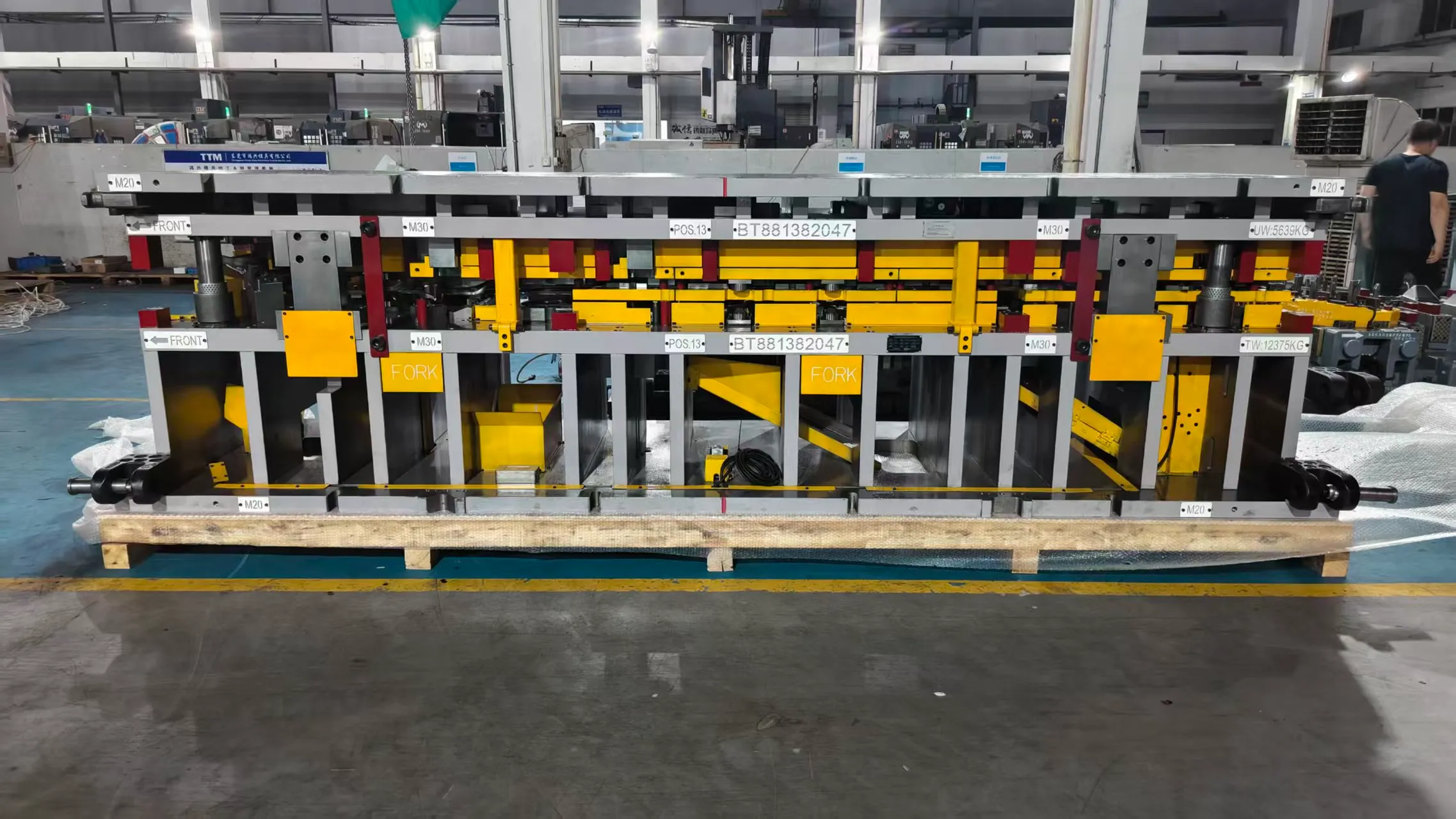
A well-designed automotive stamping die should be strong enough for mass production while avoiding unnecessary weight and manufacturing costs.
4. Effect on Forming Radius
Material thickness is also closely related to forming radius.
When a sheet is bent or formed around a very small radius, the material experiences significant deformation. If the radius is too small for the selected material and thickness, cracks or surface defects may occur.
During Automotive Die Design, engineers need to evaluate the relationship between material thickness, material strength, forming radius, and forming direction.
This is particularly important for automotive structural components and parts with sharp geometric features.
If the required geometry cannot be produced reliably in a single operation, the forming process may need to be divided into multiple operations. This can reduce local strain and improve part quality.
5. Material Thickness and Springback
Springback is a common challenge in automotive stamping.
After the forming force is removed, the sheet attempts to partially return toward its original shape. The amount of springback depends on material properties, thickness, forming geometry, and deformation conditions.
High-strength steel can generate significant springback because of its high yield strength. Material thickness also affects the behavior of the formed component.
Therefore, springback must be considered during Automotive Die Design, rather than being addressed only after the first die tryout.
Engineers may use over-forming, restriking, calibration, or geometric compensation to achieve the required final dimensions.
Advanced simulation software can also help predict springback and identify areas requiring compensation before the physical die is manufactured.
6. Thickness and Deep Drawing
Deep drawing is widely used for manufacturing automotive components with three-dimensional shapes.
During deep drawing, material flows from the blank toward the die cavity. The sheet thickness influences how easily the material can flow and how much deformation can be achieved.
If the forming conditions are not properly controlled, the component may develop wrinkles, cracks, excessive thinning, or dimensional problems.
In Automotive Die Design, engineers may optimize blank-holder force, draw bead configuration, punch radius, die radius, lubrication, and forming sequence.
For complex components, multiple drawing and forming operations may be necessary to achieve the final geometry without damaging the material.
7. Thin Sheet Metal in Automotive Stamping
Thin sheet metal can provide weight-saving benefits, which is important in modern vehicle development. However, thin materials can also create additional challenges.
During Automotive Die Design, engineers must consider the increased risk of wrinkling, buckling, distortion, and handling damage.
Small errors in material positioning or die alignment can produce noticeable dimensional changes in thin components.
Accurate guiding systems, stable material feeding, and properly controlled forming conditions are therefore important for thin automotive sheet metal.
Surface protection is also important because thin sheets can be more easily damaged during handling and forming.
8. Thick Sheet Metal and Tooling Requirements
Thicker automotive sheet metal requires greater forming and cutting force. Consequently, the tooling may need stronger structural components.
During Automotive Die Design, engineers should pay particular attention to punch support, insert strength, die rigidity, guide systems, and load distribution.
High loads can cause deformation if the die structure is not sufficiently rigid. This may eventually affect part dimensions and accelerate tooling wear.
For heavy automotive structural components, a robust die structure can improve production reliability and reduce maintenance requirements.
9. Material Thickness and Progressive Dies
Material thickness also affects the design of progressive dies.
A progressive die performs multiple operations as the strip moves through different stations. Punching, blanking, bending, forming, and other operations may be integrated into one tool.
In Automotive Die Design, engineers need to consider material thickness when determining station layouts, punch dimensions, die clearance, strip feeding, and material support.
If the material is too thick for a particular progressive process, the required force and tooling load may become impractical. If it is very thin, maintaining accurate feeding and preventing material deformation may become more challenging.
Therefore, material thickness should be evaluated during the initial process planning stage.
10. Material Thickness and Transfer Dies
Transfer dies are widely used for larger automotive components.
In a transfer stamping process, individual parts are moved between different forming stations using mechanical transfer equipment or automated systems.
For Automotive Die Design, engineers must coordinate die geometry with the transfer system. Material thickness affects part rigidity, forming behavior, and the way the component can be transferred between stations.
A stable transfer process requires accurate positioning and sufficient clearance between the tooling and transfer equipment.
Proper coordination between die design, press specifications, and transfer automation can improve production efficiency and reduce collision risks.
11. Thickness Tolerance Must Be Considered
Material suppliers specify a nominal thickness, but actual material thickness may vary within an allowable tolerance.
For precision automotive components, this variation can affect forming and cutting conditions.
During Automotive Die Design, engineers should consider the expected thickness tolerance instead of designing the tooling only for the nominal value.
This is particularly important for components with tight dimensional tolerances or multiple forming operations.
Stable material quality can reduce process variation and make die tryout and mass production more predictable.
12. Die Tryout and Thickness Verification
Even with advanced engineering analysis, physical die tryout remains an important part of automotive tooling development.
During tryout, engineers can evaluate how the actual material behaves under real press conditions.
The stamped component should be inspected for dimensions, cracks, wrinkles, springback, burrs, surface defects, and other quality issues.
If problems are identified, modifications may be made to the die.
Because material thickness can influence many of these conditions, the actual material used during tryout should match the approved production specification as closely as possible.
This approach helps reduce unexpected changes when the die enters mass production.
13. How Engineers Optimize Automotive Die Design
Effective Automotive Die Design is a combination of engineering analysis, practical tooling experience, and manufacturing knowledge.
Engineers should evaluate the complete relationship between material thickness, part geometry, material strength, production volume, press capability, tooling structure, and quality requirements.
Simulation can be used to analyze material flow, forming limits, thinning, wrinkling, and springback. Engineering analysis can then be combined with practical die manufacturing and tryout experience.
The objective is not simply to manufacture a die that can produce one acceptable part. The goal is to create a reliable automotive stamping die capable of maintaining consistent quality throughout mass production.
Conclusion
Material thickness has a significant influence on Automotive Die Design. It affects die clearance, stamping force, tooling strength, forming radius, springback, material flow, die structure, and final part quality.
Whether the application involves thin automotive sheet metal, high-strength steel, stainless steel, aluminum, or thicker structural components, engineers must consider material thickness from the earliest stages of process planning.
A successful Automotive Die Design combines accurate material information, appropriate die clearance, reliable forming processes, sufficient tooling strength, suitable press selection, and effective quality control.
For automotive manufacturers and suppliers, working with an experienced stamping die manufacturer can help reduce tooling risks and improve production stability. By carefully considering material thickness and other critical engineering parameters, manufacturers can develop durable tooling, reduce die modification requirements, improve part consistency, and achieve efficient mass production.