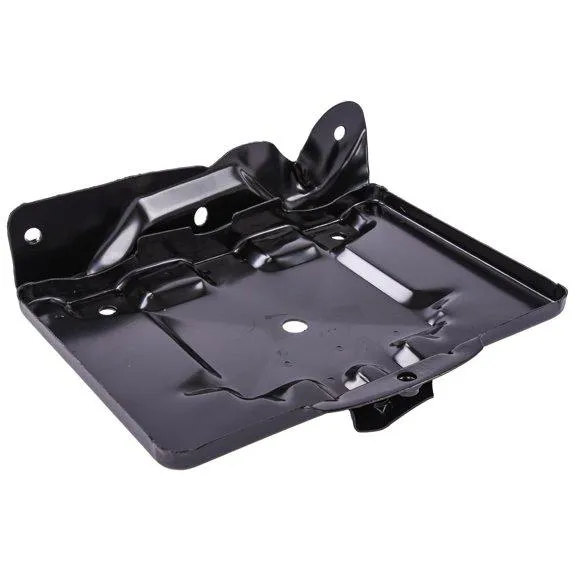


A stamping die basic structure is the foundation of efficient and reliable metal stamping production. Stamping dies are widely used in the automotive, electronics, appliances, machinery, and metal fabrication industries to transform sheet metal into precise components. In particular, automotive stamping dies play an important role in producing body panels, structural reinforcements, brackets, supports, and other sheet metal components.
Understanding the stamping die basic structure is essential for engineers, purchasing teams, production managers, and manufacturers who need to select, design, manufacture, or maintain high-performance stamping dies.
Although different stamping dies have different designs depending on the product and manufacturing process, most dies share several fundamental components. These components work together to control material positioning, forming, cutting, bending, drawing, and part removal.
What Is a Stamping Die?
A stamping die is a specialized tooling system installed on a mechanical or servo press. It uses the force generated by the press to deform or cut sheet metal according to a specific product design.
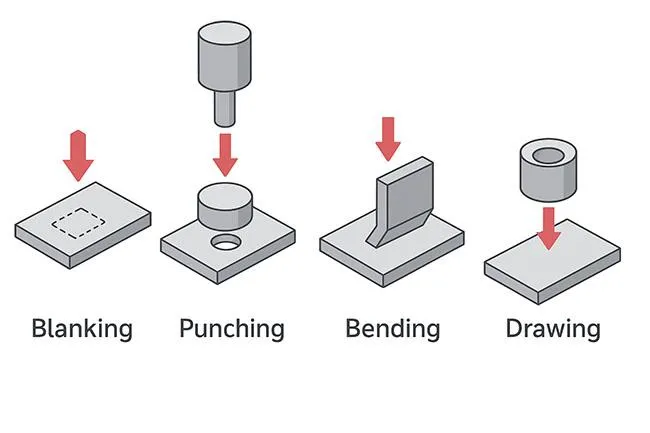
During the stamping process, a metal blank is placed between the upper and lower sections of the die. When the press moves downward, the working components of the die apply controlled pressure to the material. Depending on the die design, the operation may include blanking, piercing, bending, forming, drawing, flanging, trimming, or a combination of several processes.
The stamping die basic structure determines how these operations are performed and how accurately the finished part can be produced.
Main Components of a Stamping Die Basic Structure
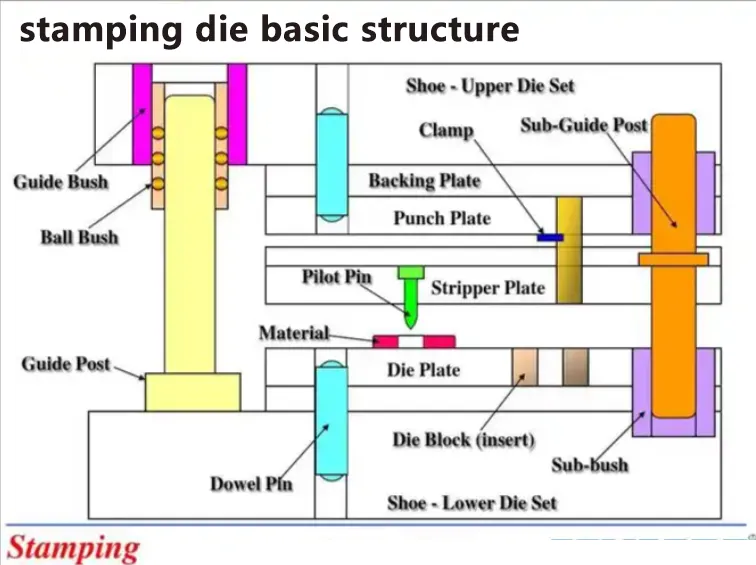
A typical stamping die basic structure consists of an upper die assembly, lower die assembly, working components, guiding components, material positioning components, pressure systems, and fastening components.
1. Upper Die Assembly
The upper die assembly is the moving section of the stamping die. It is normally connected to the slide of the stamping press.
The upper die may contain components such as the upper die holder, punch, pressure pad, guide components, and various forming inserts.
During operation, the upper die moves vertically with the press slide. The movement of the upper die controls the interaction between the punch and die surface, allowing the required stamping operation to take place.
For large automotive stamping dies, the upper die assembly must have sufficient strength and rigidity to withstand repeated stamping loads.
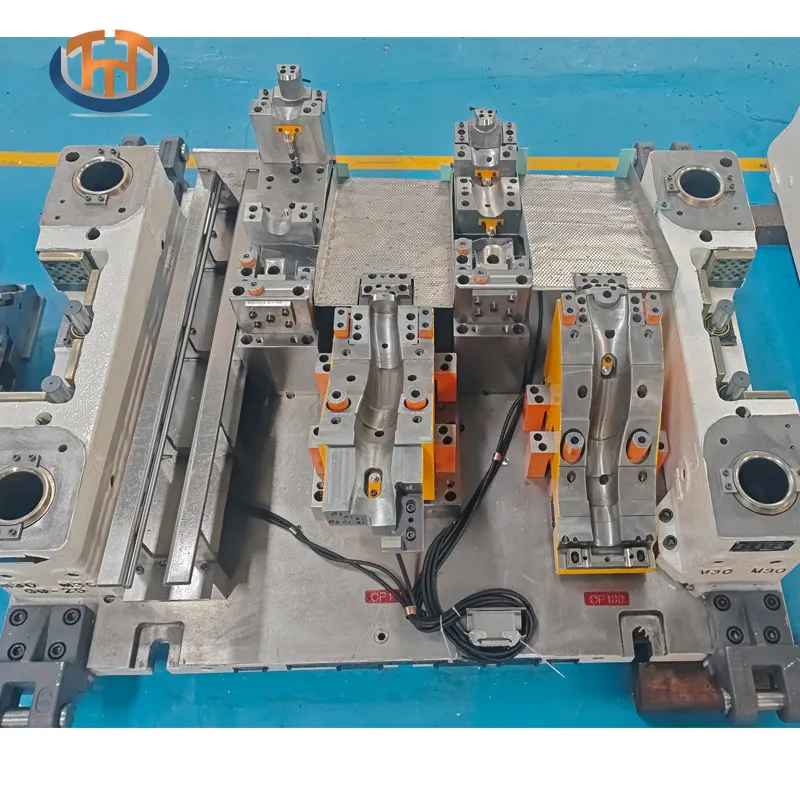
2. Lower Die Assembly
The lower die assembly is mounted on the press table and provides the main supporting structure for the die.
The lower die commonly includes the lower die holder, die block, forming surfaces, guide components, locating devices, and other supporting structures.
In the stamping die basic structure, the upper and lower assemblies must work together with high positional accuracy. Any excessive movement or misalignment between them can affect product dimensions and may even cause damage to the working components.
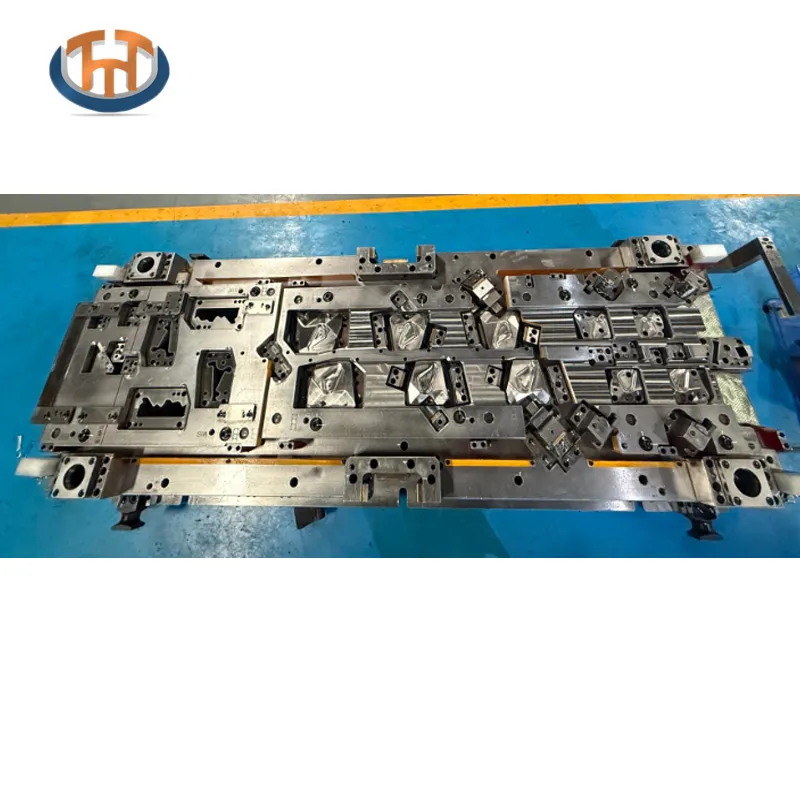
3. Punch and Die
The punch and die are the primary working components of a stamping die.
The punch normally enters or contacts the material to perform operations such as piercing, trimming, bending, or forming. The die provides the corresponding working surface or opening.
The clearance between the punch and die is extremely important. Proper clearance helps achieve good cutting quality, dimensional accuracy, and reasonable tool life.
For high-precision automotive stamping dies, engineers must carefully consider material thickness, material strength, forming requirements, and product geometry when determining punch and die clearance.
4. Pressure Pad and Blank Holder
A pressure pad or blank holder applies controlled pressure to the sheet metal during stamping.
This component is particularly important for forming and drawing operations because it helps control material movement and reduce unwanted deformation.
In automotive stamping dies, pressure pads can be designed with springs, nitrogen cylinders, or other force-generating systems.
A properly designed pressure system improves forming stability and helps prevent problems such as wrinkles, cracks, excessive deformation, or material movement.
5. Stripper and Ejection System
The stripper system is used to remove the stamped material from the punch or working surface after the stamping operation.
Depending on the stamping die basic structure, the stripper may be fixed, movable, spring-loaded, or nitrogen-assisted.
An effective ejection system is important for maintaining continuous production. It prevents parts from remaining attached to the die and reduces the possibility of production interruptions.
For automated stamping lines, the ejection system must also be compatible with robotic handling, transfer systems, or automatic feeding equipment.
6. Guide Posts and Guide Bushings
Guide posts and guide bushings form the main guiding system of many stamping dies.
Their purpose is to maintain accurate alignment between the upper and lower die assemblies during repeated press movements.
Accurate guidance is especially important for high-speed and high-precision stamping applications. Poor alignment may result in uneven clearance, premature tool wear, dimensional variation, or damage to the punch and die.
Therefore, the guiding system is a critical part of the stamping die basic structure.
7. Locating and Positioning Components
Locating components ensure that the sheet metal or stamped blank is positioned correctly before the forming operation begins.
Common positioning components include locating pins, stops, guide plates, positioning blocks, and automatic positioning mechanisms.
For progressive dies and transfer dies, positioning accuracy becomes even more important because the material or workpiece must move between multiple stations.
Accurate positioning improves repeatability and helps maintain consistent product quality throughout high-volume production.
8. Springs and Nitrogen Gas Springs
Springs and nitrogen gas springs provide force for pressure pads, strippers, lifters, and other moving components.
Traditional coil springs can be used in many conventional stamping dies. Nitrogen gas springs provide more stable force characteristics and are widely used in modern automotive stamping dies.
The correct selection of spring force, stroke, installation location, and quantity can significantly affect the performance of the overall stamping die basic structure.
Different Types of Stamping Die Structures
The stamping die basic structure can vary considerably depending on the production process.
Single Operation Die
A single operation die performs one major stamping operation during each press stroke. It has a relatively simple structure and is suitable for many low- to medium-volume applications.
Progressive Die
A progressive die contains multiple stations within one die. The strip material moves through the die at a predetermined pitch, with different operations performed at different stations.
A progressive die may combine piercing, bending, forming, trimming, and cut-off operations in one continuous production process.
Compound Die
A compound die can perform multiple operations at the same station during a single press stroke.
This structure can provide high production efficiency while maintaining accurate positional relationships between different operations.
Transfer Die
A transfer die uses an automated transfer system to move individual blanks or partially formed parts between different stamping stations.
Transfer dies are commonly used for large and complex automotive components where several forming operations are required.
Tandem Stamping Dies
Tandem dies consist of multiple individual dies arranged in a production line. Robots or transfer systems move the parts from one press or operation to the next.
This approach provides flexibility and is commonly used for large automotive body components.
Why Is Stamping Die Structure Important?
A well-designed stamping die basic structure directly influences product quality, production efficiency, tool life, and manufacturing cost.
For automotive stamping dies, engineers must consider more than simply the final product shape. The die structure must also account for material flow, forming direction, press capacity, blank size, loading and unloading methods, automation requirements, maintenance access, and die strength.
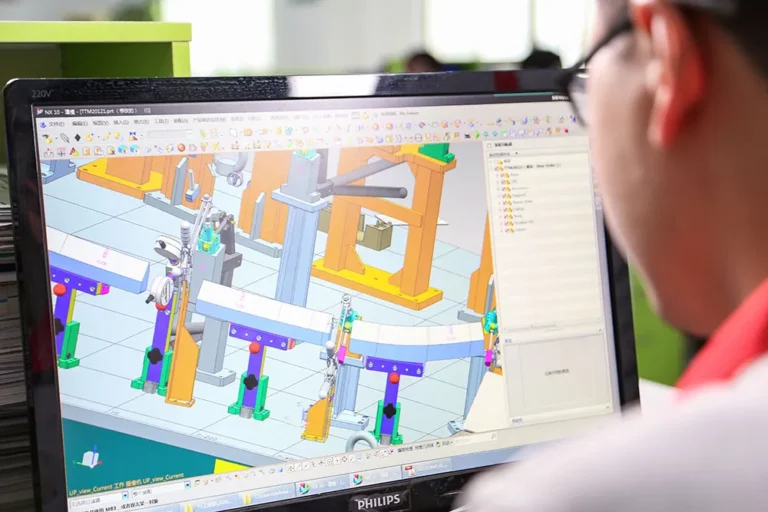
During stamping die manufacturing, the design is normally developed from product data and process analysis. Advanced CAD and CAE technologies can be used to evaluate forming behavior and identify potential manufacturing problems before machining begins.
After design approval, the die components are manufactured through processes such as CNC machining, milling, drilling, grinding, EDM, assembly, spotting, tryout, and final inspection.
How to Choose the Right Stamping Die Manufacturer?
Choosing an experienced stamping die manufacturer is important when developing high-quality automotive stamping tools.
A professional manufacturer should have experience in die design, machining, assembly, tryout, quality control, and project management. The manufacturer should also understand different die technologies, including single operation dies, progressive dies, compound dies, transfer dies, and tandem dies.
For international automotive projects, communication, technical documentation, dimensional control, delivery capability, and after-sales support are also important factors.
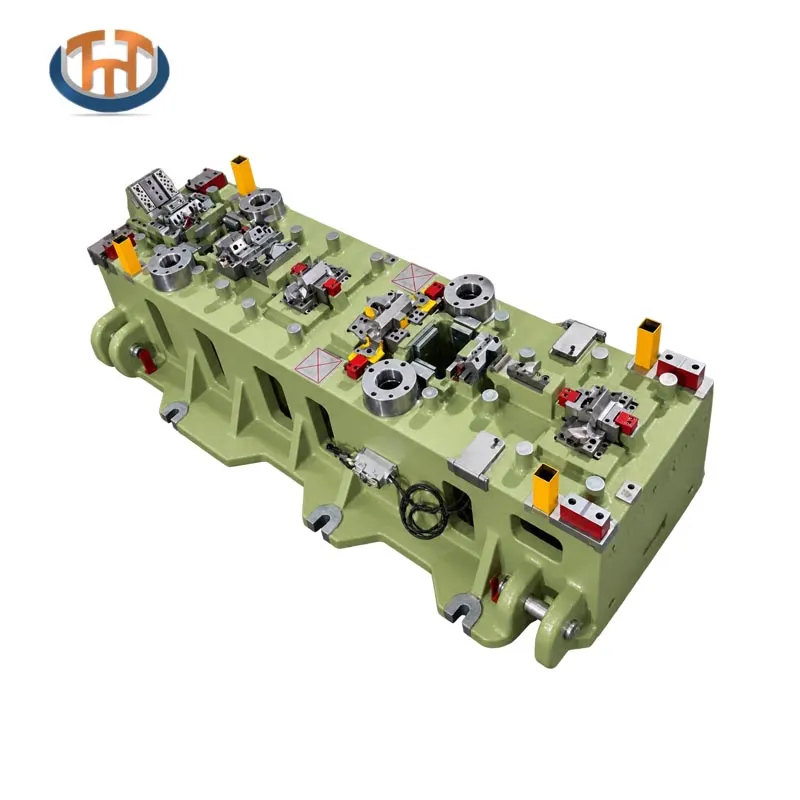
Conclusion
The stamping die basic structure is made up of multiple components that work together to achieve accurate and repeatable sheet metal forming. Major components include the upper die assembly, lower die assembly, punch, die, pressure pad, stripper, guide posts, guide bushings, positioning components, springs, nitrogen cylinders, and fastening systems.
Although the exact stamping die structure varies according to the product and manufacturing process, the fundamental principle remains the same: every component must work together to control material positioning, deformation, cutting, forming, and part removal.
For automotive manufacturers, selecting the right automotive stamping die structure is essential for achieving stable production, consistent part quality, long tool life, and efficient manufacturing.
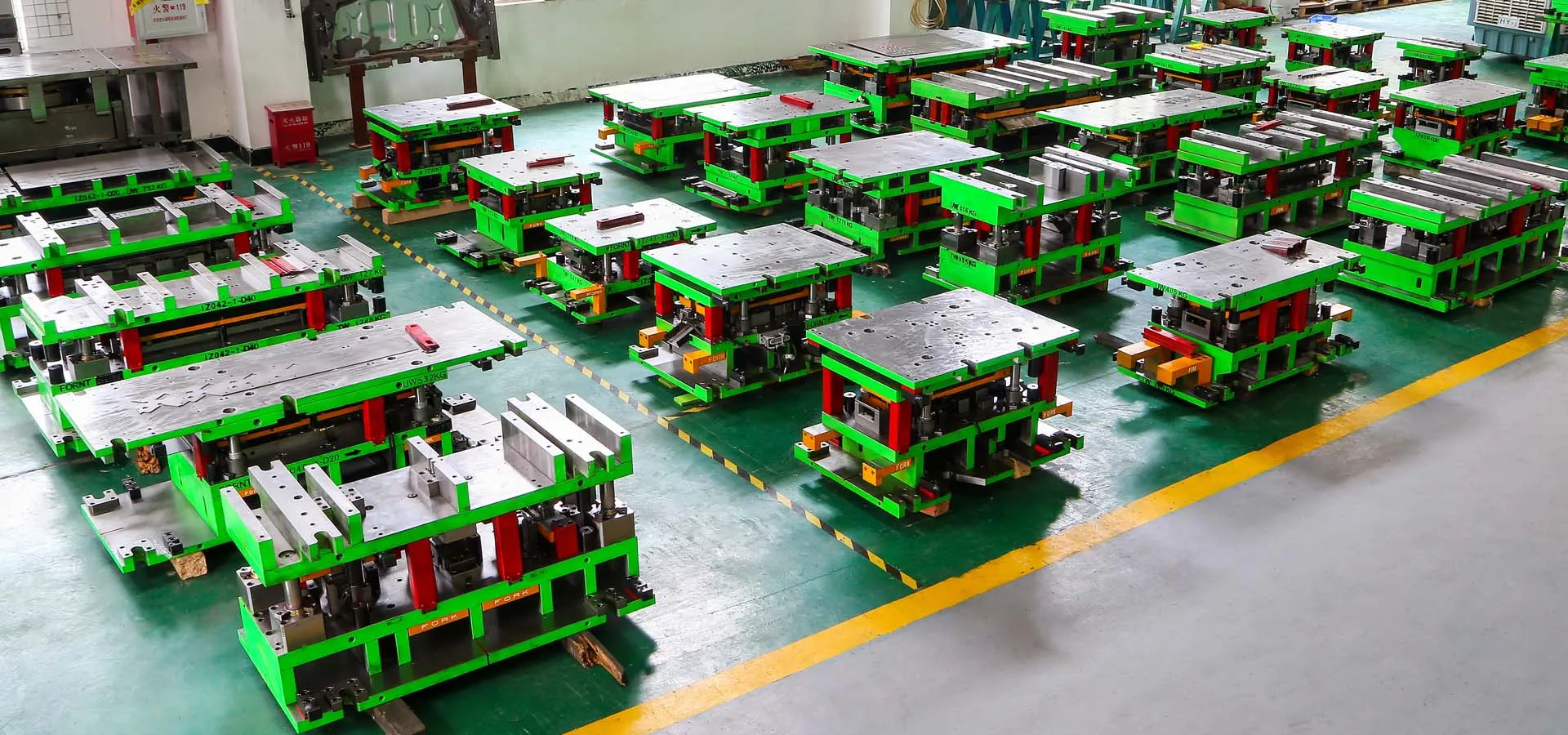
HONGXING specializes in the design and manufacturing of automotive stamping dies and sheet metal tooling. With experience in single operation dies, progressive dies, compound dies, transfer dies, and tandem stamping dies, HONGXING provides customized tooling solutions based on customer product requirements, production volumes, press specifications, and manufacturing processes.
A carefully engineered stamping die basic structure is not only the foundation of a reliable stamping tool but also an important factor in achieving efficient and cost-effective automotive sheet metal production.