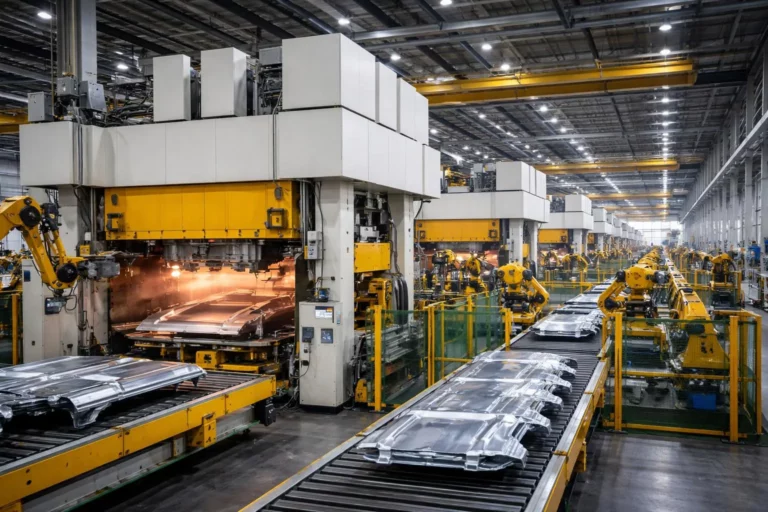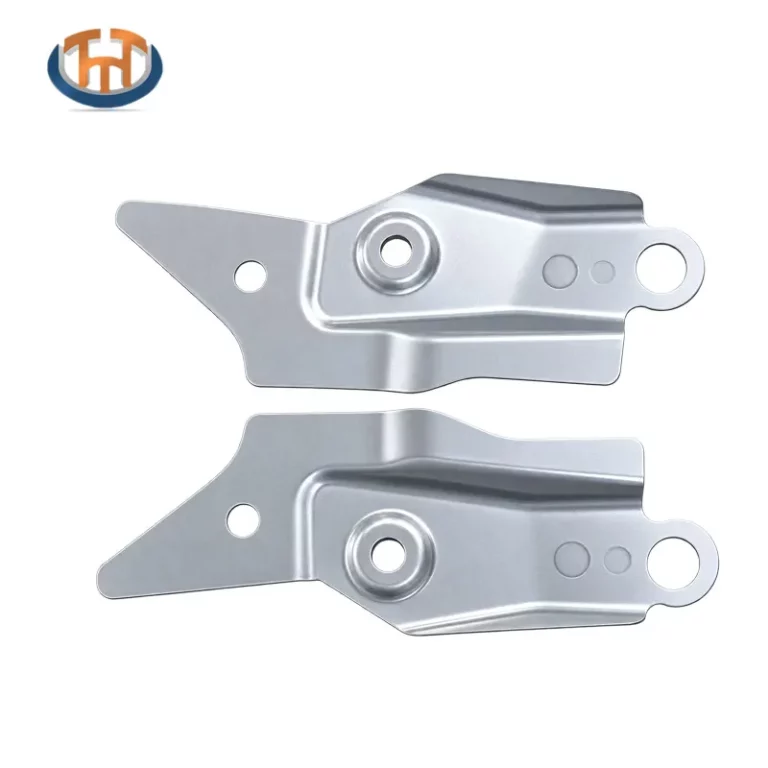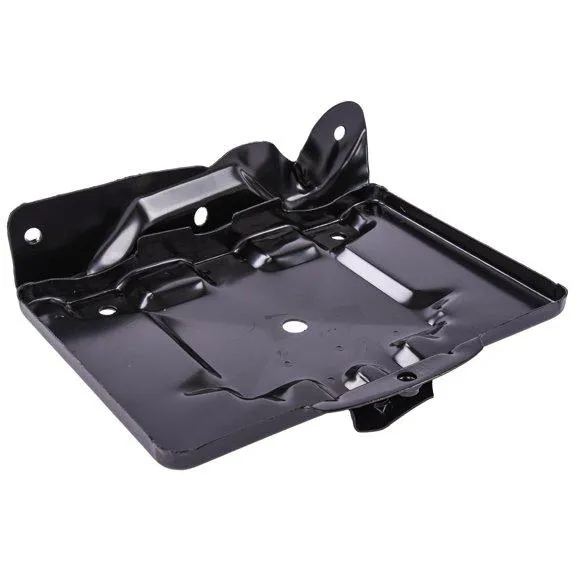


Choosing the right automotive stamping die supplier is an important decision for automotive manufacturers and Tier 1 suppliers. A stamping die directly affects part quality, production efficiency, dimensional accuracy, tooling life, and overall project cost.
A supplier may be able to manufacture a die, but that does not necessarily mean it can develop tooling that performs reliably in high-volume automotive production. When evaluating a supplier, it is important to look beyond price and consider engineering capability, manufacturing capacity, tryout experience, quality control, and project management.
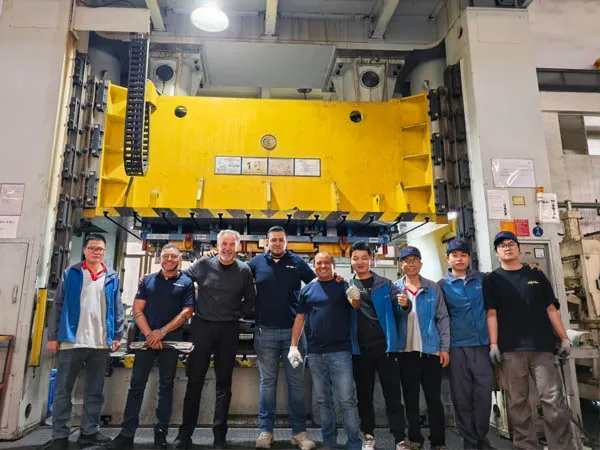
1. Evaluate Automotive Stamping Die Design Capability
A reliable automotive stamping die supplier should have strong engineering capabilities before machining begins.
The supplier should be able to understand the part geometry, material characteristics, forming requirements, production volume, and available press conditions. The engineering team should also be able to evaluate potential forming problems during the early design stage.
Important areas include:
- Part and process analysis
- Forming direction
- Operation sequence
- Draw and forming feasibility
- Material flow
- Springback considerations
- Die structure
- Press requirements
- Tolerance requirements
- Manufacturability
A well-developed die design can reduce modifications during tryout and help avoid unnecessary production delays.
For a broader overview of die construction, see our guide to Stamping Die Basic Structure: Components, Functions and Working Principles.
2. Check Experience With Automotive Materials
Automotive stamping involves a wide range of materials, from conventional mild steel to high-strength steel and aluminum alloys.
The stamping die design must consider the characteristics of the material being formed. High-strength steel, for example, can introduce greater forming forces and springback challenges, while aluminum may require different approaches to surface protection and forming control.
When selecting an automotive stamping die supplier, ask whether the supplier has experience with the specific material and thickness required for your project.
Relevant materials may include:
- Mild steel
- High-strength steel
- Advanced high-strength steel (AHSS)
- Stainless steel
- Aluminum alloys
- Other automotive sheet metals
For applications involving high-strength automotive materials, our High Strength Steel Stamping Die provides a relevant example of tooling developed for high-strength sheet metal forming.
3. Review Manufacturing and Machining Capability
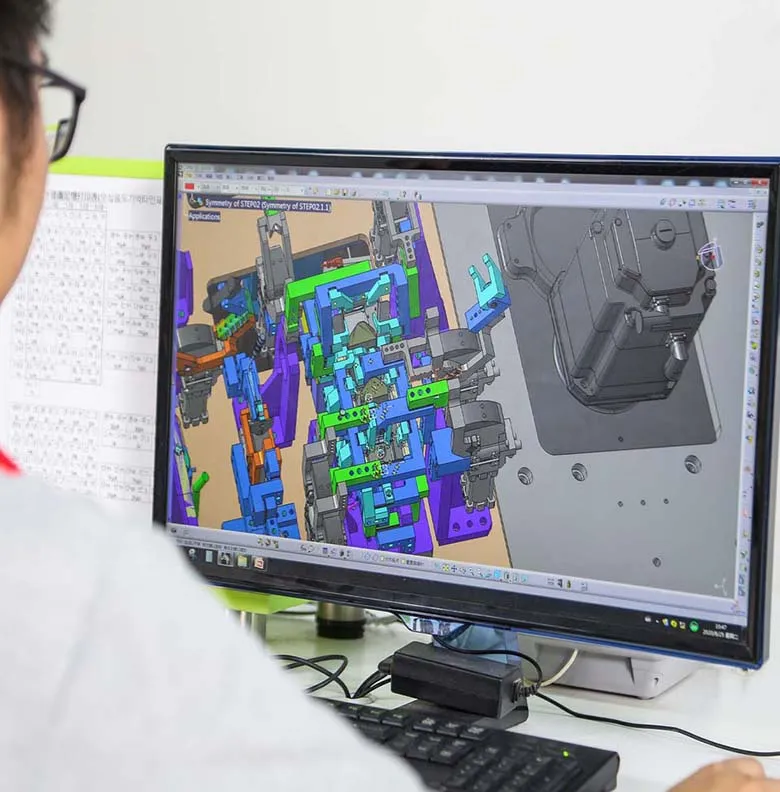
The quality of a stamping die depends not only on its design but also on how accurately the die components are manufactured.
A capable supplier should have appropriate machining resources for large and complex automotive tooling. Depending on the die structure, manufacturing may involve CNC machining, EDM, drilling, grinding, fitting, and precision assembly.
Important factors include:
- CNC machining capability
- Large die machining capacity
- Precision machining
- EDM capability
- Die fitting and assembly
- Component inspection
- Tooling surface finishing
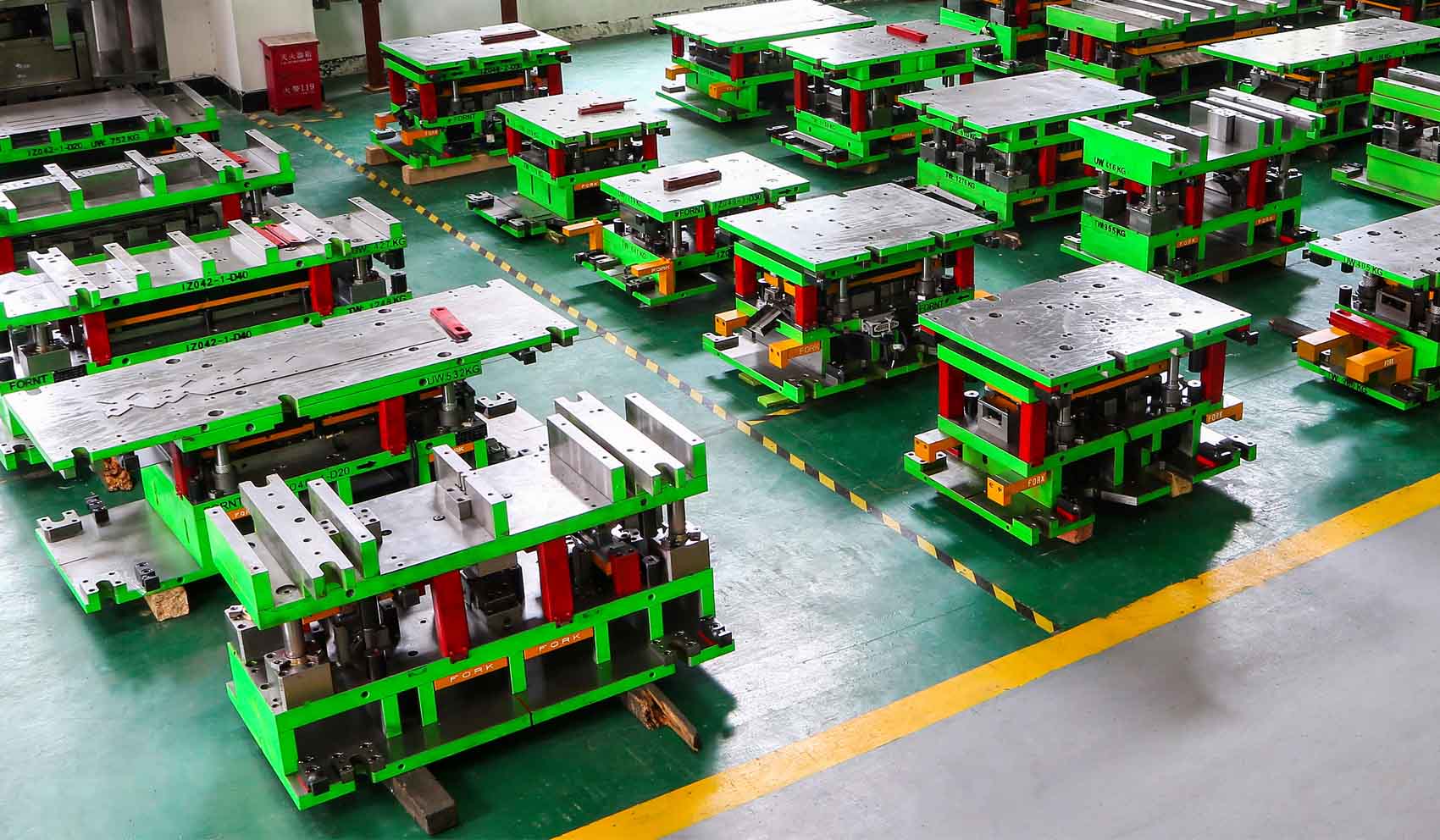
For large automotive tooling projects, the supplier should also have suitable lifting, handling, and assembly facilities. Our Large Automotive Stamping Die is an example of large-scale automotive tooling designed for high-tonnage stamping applications.
4. Ask About Die Tryout and Correction Capability
Die tryout is one of the most important stages of automotive stamping die development.
Even a carefully designed die may require adjustments after the first trial because actual forming conditions can reveal dimensional variation, springback, wrinkles, cracks, burrs, or other production issues.
A capable supplier should have a structured tryout and correction process.
Typical activities may include:
- Initial die tryout
- Part inspection
- Problem identification
- Die surface or geometry correction
- Additional stamping trials
- Dimensional verification
- Final process validation
The ability to identify the root cause and make effective tooling corrections can have a significant impact on project lead time.
This is particularly important for complex structural components, where tooling accuracy and forming stability directly affect the final stamped part.
5. Consider Quality Control and Dimensional Inspection
Automotive stamping dies require consistent dimensional control throughout manufacturing.
Quality management should cover both the tooling and the stamped parts produced during tryout.
Depending on the project, inspection may include:
- Machined component inspection
- Die assembly inspection
- Critical dimension measurement
- Stamped part dimensional inspection
- Surface inspection
- Burr inspection
- Forming quality verification
- Final tooling validation
A supplier should also be able to provide appropriate inspection records and communicate dimensional issues clearly during the project.
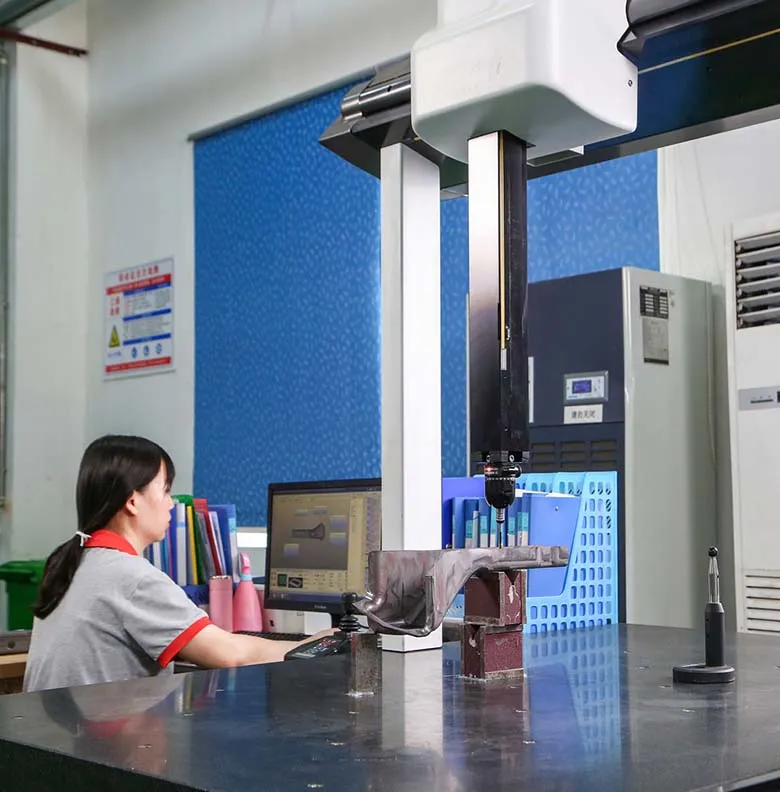
For example, our Rear Subframe Stamping Die represents the type of automotive structural tooling where dimensional accuracy, forming quality, and tooling performance are important considerations.
6. Evaluate Press and Production Compatibility
An automotive stamping die is designed to operate under specific production conditions. Therefore, supplier experience with different press capacities and production processes is important.
The supplier should understand requirements such as:
- Press tonnage
- Die size
- Shut height
- Stroke
- Feed direction
- Transfer conditions
- Production speed
- Coil or blank handling
- Production sequence
The die must be compatible with the customer’s actual production equipment rather than being designed independently of the manufacturing environment.
Different stamping processes may require different tooling configurations. Understanding the differences between progressive stamping dies and other automotive stamping die types can also help manufacturers determine the appropriate tooling approach for a particular component.
7. Look at Experience With Complex Automotive Components
Previous project experience can provide useful information when evaluating an automotive stamping die supplier.
Rather than only asking how many dies a supplier has manufactured, it is more useful to understand what types of components and tooling the supplier has handled.
Examples include:
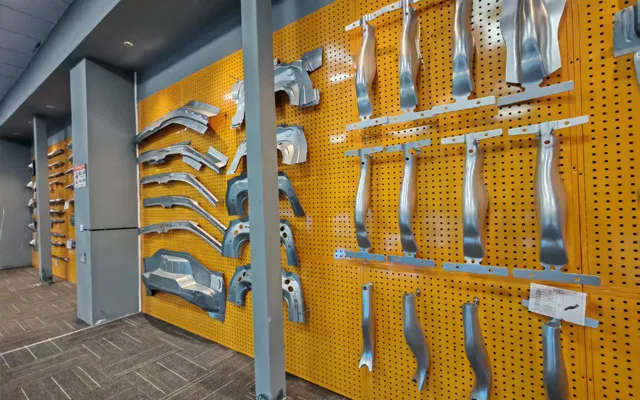
- Automotive structural components
- Reinforcement brackets
- Battery brackets
- HVAC brackets
- Pillar reinforcements
- Beam components
- Rear subframe components
- Large body-in-white components
Experience with complex geometry, high-strength materials, large tooling, and multi-operation stamping can indicate whether the supplier has the engineering and manufacturing resources required for a particular project.
For example, automotive structural tooling may involve different engineering considerations from smaller bracket dies. The required die size, press capacity, material characteristics, forming sequence, and dimensional tolerances should all be evaluated during the tooling development stage.
8. Evaluate Project Management and Communication
Tooling projects involve multiple stages, from initial engineering to final validation. Poor communication can create delays even when the supplier has adequate manufacturing equipment.
A professional supplier should provide clear communication regarding:
- Engineering reviews
- Tool design approval
- Manufacturing progress
- Tryout schedules
- Dimensional results
- Engineering changes
- Corrective actions
- Final delivery
Clear project management helps both the supplier and customer respond quickly when technical issues occur.
For international automotive tooling projects, communication is especially important because engineering changes, inspection results, and trial feedback may need to be coordinated between multiple teams.
9. Do Not Evaluate Suppliers Based Only on Tooling Price
Price is an important consideration, but the lowest initial quotation does not always represent the lowest overall project cost.
A stamping die with a lower purchase price may require additional modifications, longer tryout cycles, more maintenance, or additional engineering work during production.
When comparing suppliers, consider the total tooling value, including:
Die cost + engineering + tryout + correction + maintenance + production reliability + delivery risk
A supplier with stronger engineering and manufacturing capabilities may help reduce the total cost associated with tooling development and production.
10. Choose a Supplier That Understands the Complete Tooling Process
The strongest automotive stamping die suppliers are not simply machining companies. They should understand the complete development process from part analysis through final tooling validation.
A typical workflow includes:
Part Analysis → Process Planning → Die Design → Manufacturing → Assembly → Tryout → Inspection → Correction → Final Validation
Having these capabilities connected within one tooling development process can simplify communication and improve project coordination.
What Should You Ask an Automotive Stamping Die Supplier?
Before selecting a supplier, automotive manufacturers can consider asking:
- What types of automotive stamping dies do you manufacture?
- What materials and thicknesses do you have experience with?
- What is your maximum die size and weight capability?
- What press capacities are available for tryout?
- Do you provide die design and process engineering?
- How do you manage die tryout and corrections?
- How do you control critical dimensions?
- What inspection equipment do you use?
- Can you provide previous project examples?
- How do you manage engineering changes and delivery schedules?
These questions can help distinguish a supplier with complete tooling capabilities from one that primarily provides machining services.
Conclusion
Choosing an automotive stamping die supplier requires more than comparing quotations. Engineering capability, material experience, machining resources, tryout expertise, dimensional control, project management, and production support should all be considered.
For automotive manufacturers and Tier 1 suppliers, the right tooling partner should be able to understand the complete manufacturing process and develop dies that are suitable for actual production conditions.
At HONGXING, our automotive stamping die capabilities cover tooling engineering, die manufacturing, assembly, tryout, inspection, and project delivery for automotive sheet metal applications. Our tooling experience includes structural components, brackets, reinforcement parts, subframe components, and other complex automotive stamping applications.
A systematic approach to supplier evaluation can help manufacturers select tooling partners based on engineering capability and long-term production requirements rather than tooling price alone.